A Master’s in Environment Systems at the The University of Tokyo is an interdisciplinary graduate program that focuses on analyzing and managing complex environmental systems through the integration of engineering, environmental science, and sustainability planning. The program covers key areas such as environmental system modeling, climate change mitigation, resource management, ecological conservation, environmental policy, and sustainable urban development. Students develop strong analytical and research skills through coursework, laboratory work, and project-based research related to environmental monitoring, environmental impact assessment, and system-based sustainability solutions. The curriculum prepares graduates for careers in environmental research institutions, sustainability planning agencies, governmental organizations, and environmental consultancy sectors, as well as for further doctoral studies in environmental science and environmental engineering.
NOTE: The university may have additional program-specific eligibility requirements. It is recommended to verify these on the official university website.
Extra Notes
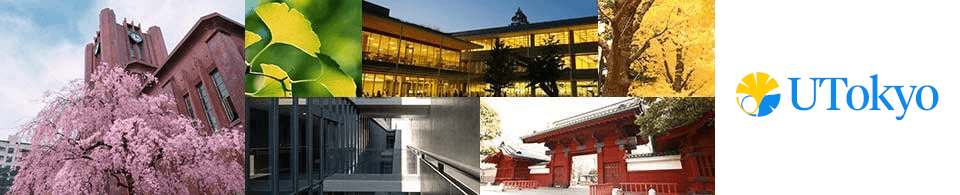
Hongo Campus (Hongō): The oldest and main campus, located in central Tokyo, known for its history (Akamon Gate) and housing most faculties and graduate schools.
Komaba Campus: Home to the College of Arts and Sciences, focusing on general education for freshmen and sophomores.
Kashiwa Campus: UTokyo's newest campus, a center for cutting-edge scientific research, located northeast of Tokyo in Chiba prefecture.