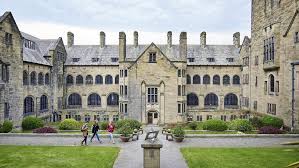
Neuroimaging is an important methodology in modern cognitive and clinical neuroscience of the human brain. It is used to study the physiological correlates of mental processes and it plays a prominent role in the detection, diagnosis and research of neurological and psychiatric illnesses and the evaluation of new treatments. Neuroimaging techniques are growing increasingly sophisticated and as a result there is a high demand in both clinical and research settings for individuals with neuroimaging skills.
The Bangor MSc in Neuroimaging is one of the most well established programmes dealing with modern neuroimaging in the UK. It is exceptional in its focus on both the practical and biomedical aspects of Neuroimaging. Students learn through both taught modules and practical application. Through developing and running their own imaging research project students are afforded the opportunity to participate in novel studies in one of several cognitive and clinical research areas including: social neuroscience, auditory physiology, neurotransmitter dynamics, stroke and acquired brain injury, vision, motor control, and psychopharmacology. Students graduating from the Bangor MSc in Neuroimaging have been extremely successful with 80% either in further higher education, or fully employed in the first year after degree completion.
Extra Notes
55% and above in Bachelors in Psychology, Computer Science, Physics, Mathematics, Engineering, Biology, Medical Sciences or a related subject area.
Remarks
* NOTE : The Tuition Fee is subject to change Semester wise, as such for exact Tuition Fee kindly see the Website of the respective University.
* NOTE : Pathways : Students who want to pursue a Graduate Degree through a particular University but are unable to meet the university requirements for the GPA, GRE/GMAT or English Language scores, have to take up an additional academic and language support i.e. pathways in order to ensure the admit and study at the desired University.