Canada
USA
UK
Australia
Korea
Ireland
New Zealand
Europe
Japan
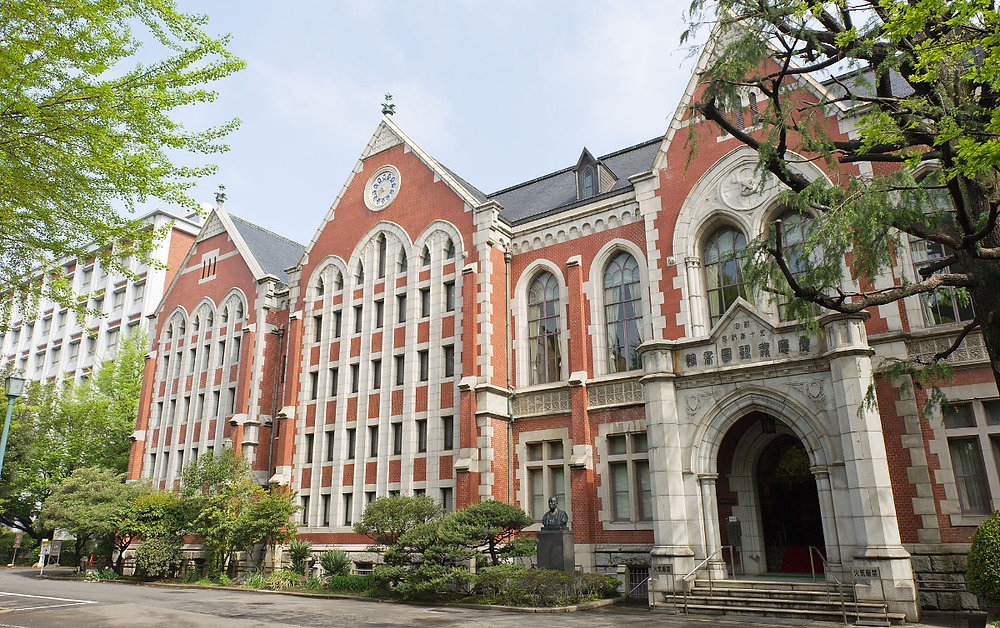
Established in 1858 by Yukichi Fukuzawa as a small school of Western learning, Keio has a history as Japan’s very first private institution of higher learning. Over 160 years since its founding, Keio has thrived under its founder’s motto of jitsugaku, or empirical science, as it continues to transform Japan as a modern nation through contributions to education, research, and medicine.
Japan, Tokyo, Tokyo, 108-8345
Keio University
fees may vary according to university current structure and policy
Keio University
fees may vary according to university current structure and policy
Keio University
fees may vary according to university current structure and policy
Keio University
fees may vary according to university current structure and policy
Keio University
fees may vary according to university current structure and policy
Keio University
fees may vary according to university current structure and policy
Keio University
fees may vary according to university current structure and policy
Keio University
fees may vary according to university current structure and policy
Keio University
fees may vary according to university current structure and policy
Keio University
fees may vary according to university current structure and policy
Keio University
fees may vary according to university current structure and policy
Keio University
fees may vary according to university current structure and policy
Keio University
fees may vary according to university current structure and policy
Keio University
fees may vary according to university current structure and policy
Keio University
fees may vary according to university current structure and policy
Keio University
fees may vary according to university current structure and policy
Keio University
fees may vary according to university current structure and policy
Keio University
fees may vary according to university current structure and policy
Keio University
fees may vary according to university current structure and policy
Keio University
fees may vary according to university current structure and policy
Keio University
fees may vary according to university current structure and policy
Keio University
fees may vary according to university current structure and policy
Keio University
fees may vary according to university current structure and policy
Keio University
fees may vary according to university current structure and policy
Keio University
fees may vary according to university current structure and policy
| Ranking | Form | Year | Type |
|---|---|---|---|
| 215 | QS | 2026 | Private |
Although only a short train ride from one of Tokyo's major hubs, Shibuya, the Hiyoshi campus is even closer to central Yokohama. Located just south of Tokyo, Yokohama is Japan's second largest city, with a population of 3.63 million. Well-known for having the largest Chinatown in Japan, Yokohama is also popular for its fashionable Motomachi shopping area, the Yokohama Marine Tower, Yamashita Park and the futuristic Minato Mirai 21 harborside area, which includes the Landmark Tower, the tallest building in Japan. Yokohama is also home to a professional baseball team and two professional football teams.
Keio University has strong graduate placements in major Japanese firms across finance (Mizuho, SMBC, Daiwa), consulting (Accenture, Deloitte, EY), IT (IBM, Rakuten, Hitachi), and general business, with dedicated career services for both domestic and international students offering support for internships and job hunting, reflecting its reputation as a top Japanese university. Graduates often enter leading companies in various sectors, supported by on-campus career centers and resources, making it a prime choice for students aiming for high-profile careers in Japan.
To travel to Keio University from the nearest airport (usually Haneda - HND, closer to Tokyo campuses), take the train/monorail to a major hub like Shinjuku or Tamachi/Mita, then transfer to the Keio Line (for Shinjuku/Shibuya areas) or JR/Subway lines to reach campuses like Mita or the Shonan Fujisawa Campus (SFC) via Shonandai or Tsujido stations, using IC cards for convenience; Narita (NRT) is further but also connected via train networks.